Back pain is one of the most common physical complaints during pregnancy, affecting an estimated 50–80% of pregnant individuals. While often dismissed as a “normal” part of pregnancy, persistent or severe discomfort shouldn’t be ignored. The good news? Most pregnancy-related back pain can be safely managed with targeted strategies, and understanding what’s happening in your body is the first step toward relief.
This guide breaks down the science behind pregnancy back pain, offers evidence-based relief methods, and outlines clear warning signs that require medical attention.
Disclaimer: This article is for educational purposes and does not replace personalized medical advice. Always consult your obstetrician, midwife, or a licensed physical therapist for guidance tailored to your pregnancy.
Why Back Pain Happens During Pregnancy
Pregnancy back pain is rarely caused by a single factor. It typically results from a combination of hormonal, biomechanical, and neuromuscular changes:
- Hormonal Shifts: Rising levels of relaxin and progesterone soften and loosen ligaments and joints in the pelvis and spine to prepare for childbirth. This increased flexibility reduces joint stability, placing extra strain on supporting muscles.
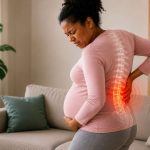
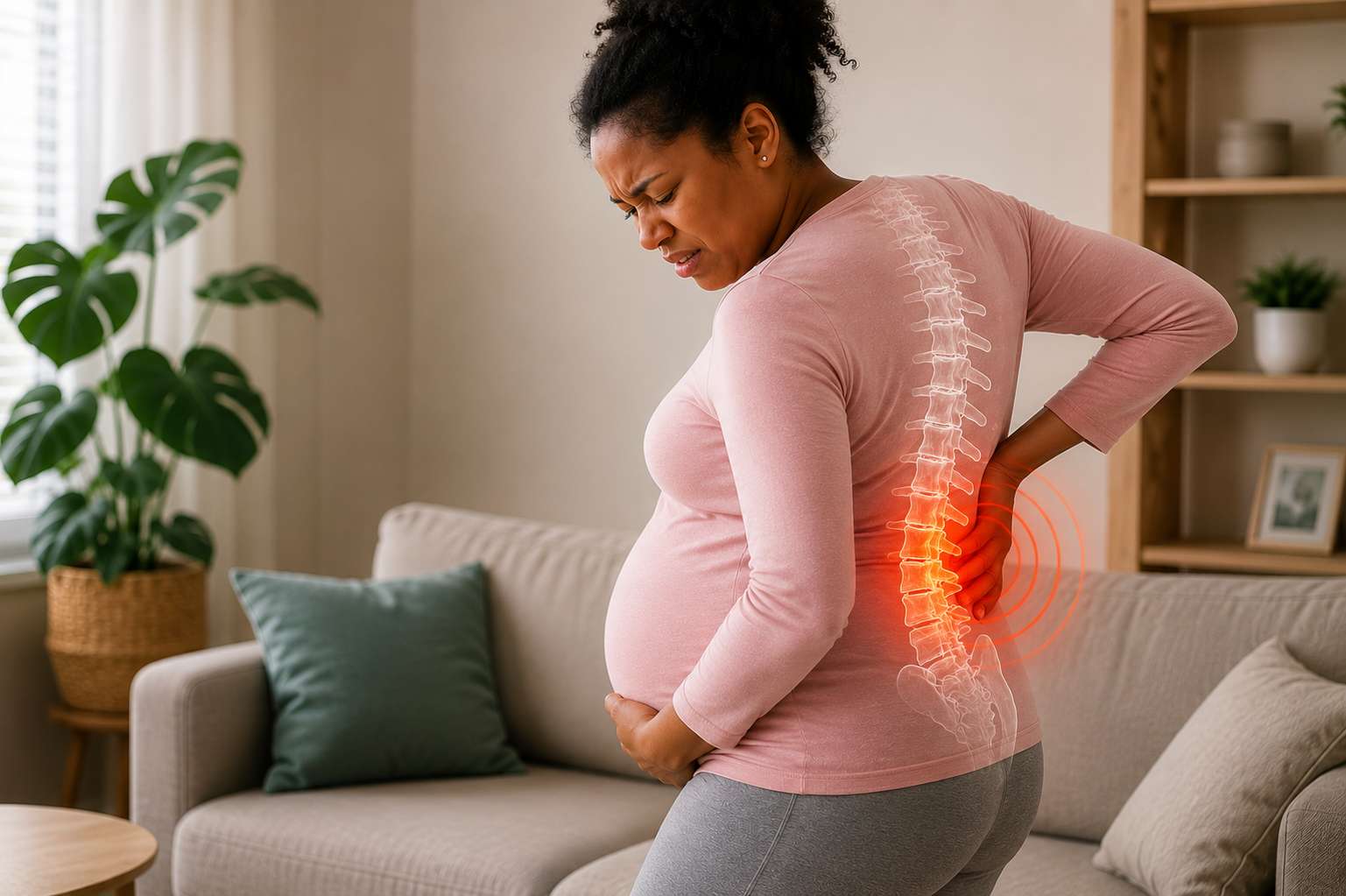
- Weight Gain & Center of Gravity Shift: As the uterus expands, your center of gravity moves forward. To compensate, many people unconsciously arch their lower back (increased lumbar lordosis), which strains the lumbar spine and surrounding muscles.
- Muscle Fatigue & Separation: The abdominal muscles stretch and may separate (diastasis recti), reducing core support for the spine. Back muscles then overwork to compensate.
- Postural & Gait Changes: Altered walking patterns, prolonged sitting or standing, and carrying older children or heavy items can amplify strain.
- Stress & Fatigue: Emotional stress and poor sleep can increase muscle tension and lower pain tolerance.
Types of Pregnancy Back Pain
Not all back pain is the same. Identifying the type can help guide relief strategies:
| Type | Location & Sensation | Common Triggers |
|---|---|---|
| Lumbar Back Pain | Dull, aching, or sharp pain in the lower back | Prolonged sitting/standing, lifting, poor posture |
| Posterior Pelvic Pain (PGP) | Deep pain in the buttocks, sacroiliac (SI) joint, or groin; may feel like grinding or clicking | Walking, climbing stairs, turning in bed, standing on one leg |
| Sciatica | Burning, tingling, or shooting pain radiating from the lower back down one leg | Nerve compression from pelvic shift or muscle tightness (less common, ~1% of pregnancies) |
Note: PGP and lumbar pain often overlap. A prenatal physical therapist can help differentiate and tailor treatment.
When Does It Typically Occur?
- First Trimester: Hormonal changes can trigger early discomfort, even before visible weight gain.
- Second Trimester: As the belly grows and posture shifts, pain often becomes more noticeable.
- Third Trimester: Peak incidence due to maximum weight, ligament laxity, and fetal positioning. Pain may improve or resolve after delivery, though some experience postpartum persistence if core/pelvic strength isn’t restored.
Evidence-Based Relief Strategies
1. Gentle, Targeted Movement
Movement is medicine for pregnancy back pain. Inactivity weakens supporting muscles and worsens stiffness.
- Pelvic Tilts: On hands and knees, gently rock your pelvis forward and back. Strengthens core and relieves lower back pressure.
- Cat-Cow Stretch: Slow, controlled spinal flexion and extension improves mobility and reduces muscle tension.
- Prenatal Yoga or Swimming: Low-impact, full-body movement that builds strength without joint strain.
- Daily Walking: 20–30 minutes maintains circulation and muscle tone. (Aligns with ACOG’s 150-min/week moderate activity guideline.)
2. Posture & Body Mechanics
- Sit & Stand Tall: Avoid slouching. Use a small lumbar roll or cushion when seated.
- Lift Safely: Bend at the knees, keep objects close to your body, and avoid twisting while lifting.
- Change Positions Frequently: Don’t sit or stand for more than 30–45 minutes at a time.
- Wear Supportive Footwear: Low, stable shoes with arch support reduce spinal strain.
3. Sleep & Rest Optimization
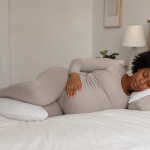
- Side Sleeping: Preferably left side to optimize blood flow. Place a firm pillow between your knees and another under your belly to align the hips and spine.
- Avoid Prolonged Bed Rest: Complete rest weakens muscles and can actually increase pain. Short, frequent rest periods are more effective.
4. Heat, Cold & Massage
- Cold Packs: Best for acute, sharp pain or inflammation (15 mins at a time).
- Warm Compresses: Relieve muscle stiffness (avoid excessive heat; keep water temperature comfortable, not hot).
- Prenatal Massage: Seek a therapist certified in prenatal care. Focus on glutes, hips, and upper/lower back.
5. Supportive Gear
- Maternity Support Belt: Worn low on the hips, it lifts the belly slightly and reduces lumbar strain. Most effective for PGP and heavy-belly discomfort.
- Kinesiology Tape: Applied by a trained professional, it can provide gentle lift and proprioceptive feedback without restricting movement.
6. Professional Care
- Prenatal Physical Therapy: Highly effective for PGP, sciatica, and chronic back pain. Therapists use manual therapy, targeted exercises, and gait training.
- Chiropractic Care: Seek a practitioner certified in prenatal techniques (e.g., Webster technique). Avoid high-velocity spinal adjustments.
7. Medication (Always Consult Your Provider First)
- Acetaminophen (Paracetamol): Generally considered the safest over-the-counter pain reliever during pregnancy when used at recommended doses.
- NSAIDs (Ibuprofen, Naproxen): Typically avoided, especially after 20 weeks, due to risks to fetal kidney function and premature closure of the ductus arteriosus.
- Topical Analgesics: Some (like menthol or lidocaine) may be used sparingly, but verify ingredients with your provider. Avoid products containing salicylates or high-dose essential oils.

What to Avoid
Heavy lifting or sudden twisting motions
High-impact exercise (running, jumping, contact sports)
Hot tubs, saunas, or heating pads on high settings (risk of hyperthermia)
Unverified herbal supplements or “natural” pain remedies (safety data is often lacking)
Prolonged sitting without breaks or lumbar support
Ignoring worsening pain or assuming it’s “just pregnancy”
High-impact exercise (running, jumping, contact sports)
Hot tubs, saunas, or heating pads on high settings (risk of hyperthermia)
Unverified herbal supplements or “natural” pain remedies (safety data is often lacking)
Prolonged sitting without breaks or lumbar support
Ignoring worsening pain or assuming it’s “just pregnancy”
When to Call Your Healthcare Provider
While common, back pain isn’t always benign. Seek prompt medical evaluation if you experience:
- Rhythmic or cramping pain that comes and goes (possible preterm labor)
- Vaginal bleeding or fluid leakage
- Fever, chills, or burning with urination (possible kidney or urinary tract infection)
- Numbness, tingling, or weakness in one or both legs
- Loss of bowel or bladder control (rare but serious; requires immediate care)
- Pain that is severe, constant, or unrelieved by rest, position changes, or approved methods
- Pain localized to one side of the lower back with nausea/vomiting (possible kidney stone)
Postpartum Note
Back pain doesn’t always disappear after delivery. Hormones take weeks to normalize, core muscles remain weakened, and new physical demands (lifting, feeding, carrying) can prolong discomfort. Continue gentle movement, prioritize pelvic floor and deep core rehabilitation, and consider postpartum physical therapy if pain persists beyond 6–8 weeks.
Final Thoughts
Pregnancy back pain is common, but it doesn’t have to be unbearable. By understanding the causes, adopting safe movement and posture habits, and seeking professional guidance when needed, you can navigate this discomfort with confidence. Your body is doing extraordinary work—support it with care, patience, and evidence-based strategies.
You’re not alone, and relief is possible.