
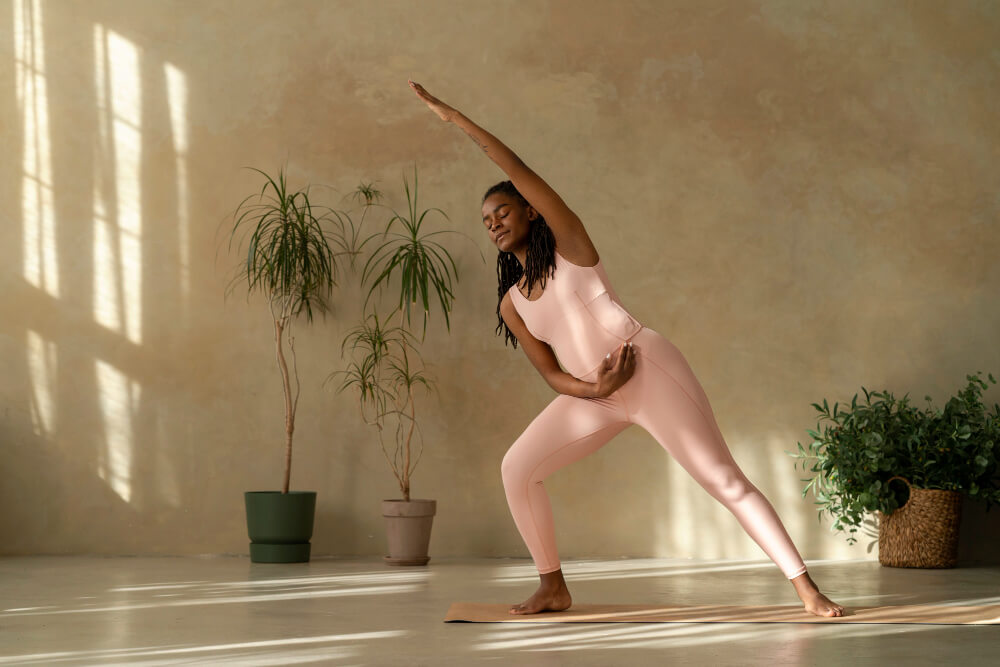
For decades, the advice given to pregnant women was often “take it easy” or “rest as much as possible.” Today, medical consensus has shifted dramatically. Unless you have specific complications, exercise is not only safe during pregnancy—it is highly recommended.
Regular physical activity can reduce the risk of gestational diabetes, preeclampsia, and cesarean delivery, while also helping manage weight gain, improve mood, and prepare your body for labor.
This guide provides evidence-based recommendations on how to exercise safely throughout all three trimesters, what activities to avoid, and when to stop.
Disclaimer: This article is for educational purposes. Always consult your obstetrician, midwife, or healthcare provider before starting or continuing an exercise routine during pregnancy, especially if you have high-risk factors.
Why Exercise During Pregnancy?
According to the American College of Obstetricians and Gynecologists (ACOG) and the Centers for Disease Control and Prevention (CDC), pregnant women should aim for at least 150 minutes of moderate-intensity aerobic activity per week, spread throughout the week.
Key Benefits Include:
- Reduced Back Pain: Strengthening core and back muscles supports the shifting center of gravity.
- Better Sleep: Physical activity helps regulate sleep cycles.
- Mood Enhancement: Exercise releases endorphins, combating prenatal anxiety and depression.
- Improved Stamina: Building cardiovascular endurance helps during labor and postpartum recovery.
- Healthy Weight Management: Helps prevent excessive weight gain, which is linked to complications.
General Safety Guidelines: The “Talk Test”
You do not need to be an athlete to exercise safely. The goal is moderate intensity.
How to Gauge Intensity:
- The Talk Test: You should be able to carry on a conversation while exercising. If you are gasping for breath, you are working too hard.
- Perceived Exertion: Aim for a level where you feel you are working moderately hard (about 5–6 on a scale of 1–10).
- Hydration & Temperature: Drink water before, during, and after exercise. Avoid overheating, especially in the first trimester. Wear breathable clothing and avoid hot yoga or exercising in high heat/humidity.
Important Physiological Note: Relaxin
During pregnancy, your body produces a hormone called relaxin, which loosens ligaments and joints to prepare for birth. This makes you more flexible but also more prone to injury. Avoid jerky movements, heavy lifting, or activities with a high risk of falling.
Best Exercises for Pregnancy
These low-impact, high-reward activities are widely considered safe for most pregnant women:
1. Walking
- Why it’s great: It’s low-impact, requires no equipment, and can be done anywhere.
- Tip: Wear supportive shoes and maintain good posture. As your belly grows, your center of gravity shifts, so be mindful of balance.

2. Swimming and Water Aerobics
- Why it’s great: Water supports your weight, relieving pressure on joints and reducing swelling. It keeps your body cool.
- Tip: Avoid diving or jumping into the water. Use caution on wet pool decks to prevent slipping.

3. Stationary Cycling
- Why it’s great: Provides a cardio workout without the impact of running. The bike supports your weight, reducing stress on knees and ankles.
- Tip: As your belly grows, adjust the handlebars to accommodate your changing posture. Avoid outdoor cycling later in pregnancy due to balance risks.

4. Prenatal Yoga and Pilates
- Why it’s great: Improves flexibility, strength, and breathing techniques useful for labor. Reduces stress.
- Tip: Choose classes specifically labeled “Prenatal.” Avoid hot yoga. Inform the instructor of your pregnancy so they can modify poses. Avoid deep twists or lying flat on your back after the first trimester.

5. Low-Impact Aerobics
- Why it’s great: Keeps your heart rate up and strengthens the heart and lungs.
- Tip: Avoid high-impact jumps or rapid direction changes. Look for prenatal-specific videos or classes.

6. Strength Training
- Why it’s great: Maintains muscle mass, which supports your changing body and aids postpartum recovery.
- Tip: Use lighter weights with higher repetitions. Focus on form over heavy lifting. Avoid holding your breath (Valsalva maneuver), which can increase blood pressure.

Exercises to Avoid
Certain activities pose unnecessary risks to you or the baby. ACOG recommends avoiding:
- Contact Sports: Soccer, basketball, hockey, or boxing (risk of abdominal trauma).
- High-Fall-Risk Activities: Horseback riding, downhill skiing, gymnastics, or surfing.
- Scuba Diving: Changes in pressure can cause gas bubbles to form in the fetal bloodstream (decompression sickness).
- Hot Yoga or Hot Pilates: Overheating (hyperthermia) can be harmful to fetal development, particularly in the first trimester.
- Exercises Lying Flat on Your Back (Supine Position): After the first trimester (around 16–20 weeks), the weight of the uterus can compress the vena cava, a major vein that returns blood to the heart, potentially causing dizziness or reducing blood flow to the baby. Modify by using an incline or side-lying positions.
- Heavy Weightlifting: While moderate strength training is safe, maximal lifts or straining can increase intra-abdominal pressure excessively.
Trimester-by-Trimester Adjustments
First Trimester (Weeks 1–12)
- Focus: Establishing a routine.
- Challenges: Fatigue and nausea may make exercise difficult. Listen to your body.
- Adjustment: You may not need to change your routine much if you were already active, but stay hydrated and avoid overheating.
Second Trimester (Weeks 13–27)
- Focus: Adaptation and balance.
- Challenges: Your belly is growing, shifting your center of gravity. Joint laxity increases.
- Adjustment: Avoid exercises requiring sharp turns or quick changes in direction. Stop lying flat on your back. Supportive gear (like a maternity support belt) may help.
Third Trimester (Weeks 28–40+)
- Focus: Comfort and preparation for labor.
- Challenges: Shortness of breath, pelvic pressure, and fatigue.
- Adjustment: Reduce intensity and duration. Focus on walking, swimming, stretching, and pelvic floor exercises (Kegels). Prepare for rest and recovery.
Warning Signs: When to Stop Exercising
Stop exercising immediately and contact your healthcare provider if you experience:
- Vaginal bleeding or fluid leakage
- Regular, painful contractions
- Chest pain or palpitations
- Severe shortness of breath (before exertion)
- Dizziness, faintness, or confusion
- Headache that doesn’t go away
- Muscle weakness affecting balance
- Calf pain or swelling (could indicate a blood clot)
- Decreased fetal movement (in later pregnancy)
Pelvic Floor Health: Don’t Forget Kegels
While not “cardio,” pelvic floor exercises are crucial. A strong pelvic floor supports the bladder, bowel, and uterus, and can help prevent incontinence during and after pregnancy.
- How to do it: Tighten the muscles you would use to stop urination. Hold for 5–10 seconds, then relax. Repeat 10 times, 3 times a day.
- Note: Ensure you are fully relaxing the muscle between contractions. If you have pelvic pain or difficulty relaxing, consult a pelvic floor physical therapist.
Final Thoughts
Exercise during pregnancy is a powerful tool for health, but it should always be guided by comfort and safety. There is no “one size fits all” routine. Some days you may feel energetic; other days, rest is the best choice.
Key Takeaways:
- Get clearance from your provider.
- Aim for 150 minutes of moderate activity per week.
- Listen to your body and adjust as your pregnancy progresses.
- Stay hydrated and avoid overheating.
- Stop if you feel pain, dizziness, or unusual symptoms.
By staying active, you’re not just caring for your baby—you’re investing in your own well-being during this transformative time.