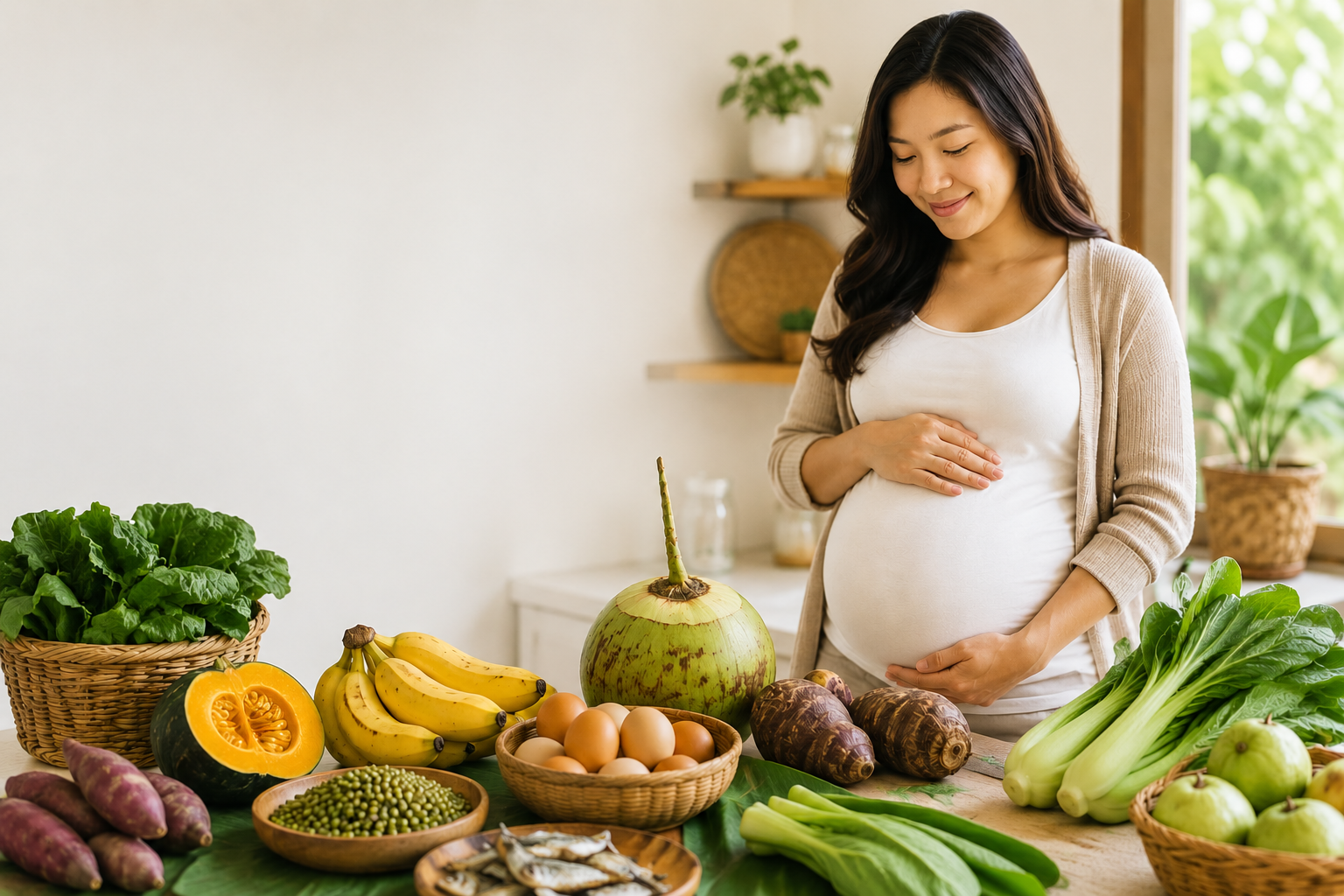
Choosing what to eat during pregnancy can feel overwhelming. With endless advice about “superfoods,” supplements, and restrictions, many expecting parents wonder: Can I support my baby’s development while also eating sustainably and supporting my community?
The answer is a resounding yes. Eating locally sourced, seasonal foods during pregnancy offers unique nutritional, environmental, and emotional benefits—when done safely and intentionally.
This guide explores the science behind local food choices in pregnancy, provides practical strategies for accessing them, and outlines important safety considerations to keep you and your baby healthy.
Disclaimer: This article is for educational purposes and does not replace personalized medical or nutritional advice. Always consult your obstetrician, midwife, or a registered dietitian for guidance tailored to your pregnancy, dietary needs, and local food environment.
What Does “Local Food” Mean?
“Local” isn’t a regulated term, but it generally refers to food grown, raised, or produced within a defined geographic radius—often 100 miles or less from where it’s sold or consumed. This can include:
- Fresh fruits and vegetables from nearby farms
- Eggs, dairy, or meat from regional producers
- Honey, herbs, or value-added products (jams, ferments) made locally
- Seasonal items harvested at peak ripeness
Note: “Local” does not automatically mean “organic,” “pesticide-free,” or “safe.” Food safety practices matter more than distance.
Why Consider Local Foods During Pregnancy?
Nutritional Advantages
- Peak ripeness = higher nutrients: Produce harvested at peak ripeness (common at farmers markets) often contains more vitamins, antioxidants, and phytonutrients than items picked early for long-distance shipping.
- Shorter time from farm to table: Reduced transport time means less nutrient degradation. For example, vitamin C and folate in leafy greens decline with prolonged storage.
- Greater variety: Local farms often grow heirloom or diverse crop varieties, exposing you to a wider range of nutrients.
Environmental & Community Benefits
- Lower carbon footprint: Reduced transportation and packaging support climate health—a factor increasingly linked to maternal and fetal well-being.
- Support for local economies: Investing in regional food systems strengthens community resilience and food access.
- Seasonal eating rhythm: Aligning meals with natural cycles can reduce decision fatigue and encourage mindful eating.
Psychological & Cultural Connection
- Food sovereignty: Choosing foods grown in your region can foster a sense of connection to place and tradition.
- Cultural relevance: Local food systems often include culturally significant crops and preparations that support emotional well-being and intergenerational knowledge.
Evidence-Based Local Food Picks for Pregnancy
Prioritize nutrient-dense, low-risk local options that support fetal development:
|
Nutrient Need
|
Local Food Alternatives
|
Why It Matters
|
|---|---|---|
|
Folate
|
Fresh spinach, kale, asparagus, broccoli (in season)
|
Critical for neural tube development; fresh local greens retain more folate than stored produce
|
|
Iron
|
Pasture-raised eggs, locally raised lean beef or lamb (well-cooked), lentils from regional farms
|
Supports increased blood volume; pair with vitamin C-rich local produce (e.g., bell peppers) to enhance absorption
|
|
Calcium & Vitamin D
|
Local dairy (pasteurized milk, yogurt, cheese), fortified plant milks from regional producers
|
Essential for fetal bone development; choose pasteurized products only
|
|
Omega-3s (DHA)
|
Locally sourced, low-mercury fish (e.g., wild-caught salmon, sardines—check local advisories)
|
Supports fetal brain and eye development
|
|
Fiber & Gut Health
|
Seasonal fruits (berries, apples), root vegetables, fermented local foods (pasteurized sauerkraut, kimchi)
|
Aids digestion, prevents constipation, supports microbiome diversity
|
|
Hydration & Electrolytes
|
Local cucumbers, watermelon, coconut water (from trusted sources)
|
Helps maintain fluid balance, especially in warmer months
|
Always verify food safety practices with vendors, especially for animal products and fermented items.
How to Access Local Foods Safely & Affordably
Farmers Markets
- Ask questions: “How was this grown?” “When was it harvested?” “Do you use pesticides?” Reputable vendors welcome transparency.
- Go early or late: Early for best selection; late for potential discounts.
- Bring cash & reusable bags: Many small vendors prefer cash; reduce waste with your own containers.
Community Supported Agriculture (CSA)
- Subscribe to a local farm’s share for weekly boxes of seasonal produce.
- Tip: Choose farms that offer “pregnancy-friendly” add-ons (e.g., extra leafy greens, eggs) or flexible pickup options.
Local Food Co-ops & Grocers
- Many co-ops prioritize regional producers and clearly label origin.
- Look for “local” signage or ask staff about sourcing.
Grow Your Own (Even a Little)
- Herbs, lettuce, tomatoes, or strawberries in pots on a balcony can provide ultra-fresh, low-cost nutrients.
- Use organic potting soil and safe watering practices to avoid contamination.
Budget-Friendly Strategies
- Buy in season: Peak-season produce is abundant and less expensive.
- Preserve the bounty: Freeze, dry, or ferment excess produce for later use (follow safe canning guidelines from the National Center for Home Food Preservation).
- Use SNAP/EBT at markets: Many farmers markets double SNAP benefits through programs like “Double Up Food Bucks.”
Critical Food Safety Considerations
Local does not equal risk-free. Pregnancy increases vulnerability to foodborne illness. Follow these non-negotiable safety practices:
Do:
- Wash all produce thoroughly: Scrub firm produce (cucumbers, melons) under running water; rinse leafy greens in a vinegar-water solution (1 part vinegar to 3 parts water), then rinse again.
- Verify pasteurization: Only consume pasteurized dairy, juices, and ciders. Unpasteurized products can carry Listeria, which poses serious risks in pregnancy.
- Cook animal products fully: Ensure local eggs, meat, and fish reach safe internal temperatures (e.g., poultry to 165°F, ground meat to 160°F).
- Check fish advisories: Consult your state’s local fish consumption guidelines (via EPA or state health department) to avoid mercury or PCB contamination in locally caught fish.
- Store properly: Refrigerate perishables within 2 hours (1 hour if >90°F). Keep raw meats separate from produce.
Avoid:
- Raw or undercooked eggs, meat, or seafood from any source
- Unpasteurized milk, cheese (e.g., some soft cheeses like brie, feta, queso fresco unless labeled pasteurized), or cider
- Raw sprouts (alfalfa, clover, radish) due to high Salmonella risk
- Unwashed produce, even from trusted farms
- Home-canned goods unless you’re certain safe pressure-canning methods were used (risk of botulism)
Navigating Pesticides & Environmental Contaminants
Concern about pesticide exposure is valid. Here’s how to minimize risk while eating local:
- Ask about farming practices: Many small farms use integrated pest management (IPM) or organic methods but aren’t certified due to cost. Direct conversation builds trust.
- Prioritize the “Clean Fifteen”: If buying conventional, focus organic/local efforts on produce with higher pesticide residues (see EWG’s annual list), but don’t avoid fruits/veggies altogether—benefits outweigh risks.
- Peel when appropriate: Peeling apples, cucumbers, or potatoes can reduce surface residues (though you lose some fiber/nutrients).
- Diversify your sources: Rotating farms or vendors reduces repeated exposure to any single environmental contaminant.
Cultural & Inclusive Considerations
Local food systems vary widely by region and community. Honor your cultural foodways while adapting for pregnancy safety:
- Traditional preparations: Many cultures have pregnancy-specific foods (e.g., bone broths, fermented grains, herbal teas). Verify safety with a provider knowledgeable in both nutrition and cultural practices.
- Food access equity: Not everyone has equal access to farmers markets or CSAs. If local options are limited or costly, frozen or canned local produce (no salt/sugar added) is a nutritious, affordable alternative.
- Language & literacy: Seek markets or programs offering multilingual signage or staff. Organizations like Wholesome Wave or local food policy councils may offer support.
When to Prioritize Convenience or Supplementation
Local food is wonderful, but it’s not always practical—and that’s okay.
- Prenatal vitamins remain essential: Even with a perfect local diet, supplements like folic acid, iron, and DHA fill critical gaps.
- Frozen/canned local produce is valid: Flash-frozen at peak ripeness, these options retain nutrients and reduce food waste.
- Your mental health matters: If sourcing local food adds stress, scale back. A varied, balanced diet from any safe source supports a healthy pregnancy.
Final Thoughts
Choosing local foods during pregnancy can be a powerful way to nourish your body, support your community, and connect with the rhythms of your region. But remember: the “best” diet is one that is safe, sustainable for you, and joyful.
Focus on progress, not perfection. One local apple, one conversation with a farmer, one seasonal meal at a time—you’re already making meaningful choices for your family’s health.